Curism
Your Experiences. Your Platform. Your Way.
0   /   100

TAKING A LOOK INTO THE DATA

Scroll Down

Stress management, depression, anxiety, tension, confusion, anger, rumination, loneliness, neuroticism, addiction.
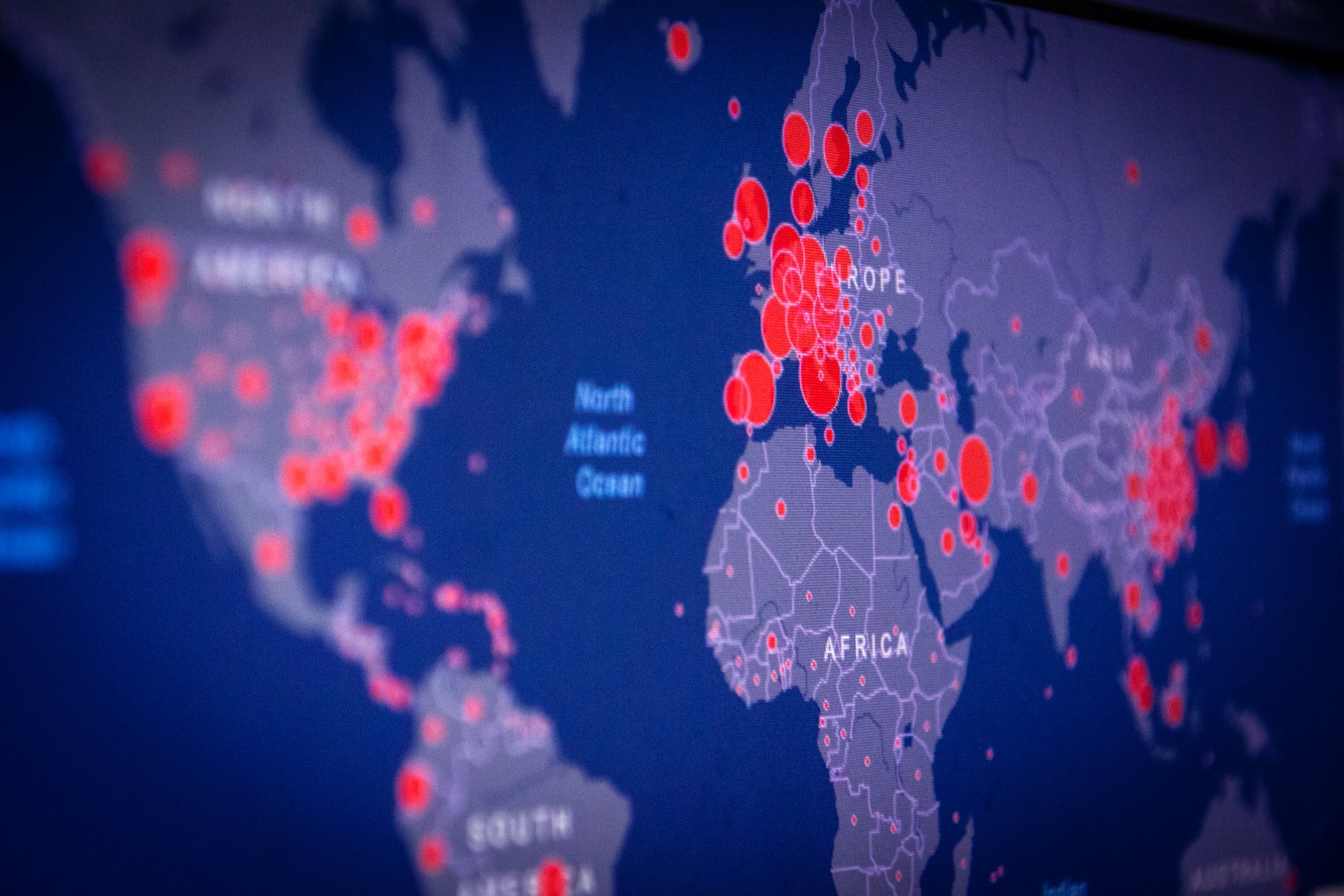
Not to mention, the COVID-19 pandemic has been grinding at the psyche of millions, causing an increase in the diagnoses above.


Elevated levels of adverse mental health conditions, substance use, and suicidal ideation were reported by adults in the United States in June 2020. The prevalence of symptoms of anxiety disorder was approximately three times those reported in the second quarter of 2019 (25.5% versus 8.1%), and prevalence of depressive disorder was approximately four times that reported in the second quarter of 2019 (24.3% versus 6.5%)

THE CURRENT METHOD HOW ARE EXPERTS HANDLING DIAGNOSES?

Mental Health struggles are most often treated by medicine. In 2019, 19.2% of adults received mental health treatment in the past 12 months, including 15.8% who had taken prescription medication for their mental health and 9.5% who received counseling or therapy from a mental health professional.

THE PROBLEM WITH MEDICATION

Medication can play a great part in the healing process if measures and action are taken appropriately. The issue here is the consumers’ concern with undesirable side effects that come with most prescription treatments. Recent studies estimate that between 30% to 50% of the population does not adhere to their prescribed therapies, and one of the reasons is pharmacophobia.

A NEW THERAPY SOLUTION A MORE IMPACTFUL APPROACH

Most professionals would agree that movement is key to a happier and longer life. Moving your body is not the only way to success though. Leading scientists and research points to a unanimous outcome: The mental and emotional benefits of outdoor activities are GREATER than the impact of movement alone. 80%+ of relevant research papers reported at LEAST one association between outdoor activities and positive mental health outcomes. NONE reported a single negative mental health outcome.

WHAT OUTDOOR THERAPY HELPS

  • Attention and Cognition
  • Sleep
  • Memory
  • Emotional Stability
  • Stress and Anxiety
  • Welfare and Quality of Life

WHO OUTDOOR THERAPY HELPS

They are valuable at all ages, from children to seniors, and for those with both minor and severe clinical symptoms.

Travel has been linked to greater happiness, empathy, and creativity. But science suggests even just thinking about a trip can give your brain a boost.

Mental benefits of vacationing

Some psychologists tout the mental benefits of vacationing somewhere new. One 2013 survey of 485 adults in the U.S. linked travel to enhanced empathy, attention, energy, and focus. Other research suggests that the act of adapting to foreign cultures may also facilitate creativity. But what about the act of planning a trip? Can we get a mental health boost from travel before we even leave home?

Experiences make for better story material.

Planning and anticipating a trip can be almost as enjoyable as going on the trip itself, and there’s research to back it up. A 2014 Cornell University study delved into how the anticipation of an experience (like a trip) can increase a person’s happiness substantially—much more so than the anticipation of buying material goods. An earlier study, published by the University of Surrey in 2002, found that people are at their happiest when they have a vacation planned.

Amit Kumar, one of the co-authors of the Cornell study, explains that the benefits are less about obsessing over the finer points of an itinerary than they are about connecting with other people. One reason?
Travelers “end up talking to people more about their experiences than they talk about material purchases,” he says. “Compared to possessions, experiences make for better story material.”

Managing emotional well-being

Among the pandemic’s many challenges: quarantine measures greatly reduce our ability to create new experiences and connect with other people. And we’re craving those connections and their social benefits more than ever.

Kumar, now an assistant professor at the University of Texas at Austin, says that the social-distancing experiment the pandemic forced on us has emphasized how much humans—social animals that we are—need to be together. He even suggests replacing the phrase “social distancing” with “physical distancing,” which better describes what we’re now doing; after all, quarantine measures are designed to protect our physical well-being.

Managing emotional well-being is a different challenge. While we may not be as physically close to others as usual, we’re still able to interact with each other socially through voice and video chats. But you still need something to talk about—and plans for the future can serve as the perfect talking points for enhancing social relationships.

Holidays are a terrific self-development opportunity. What workplaces need now are agile people who are comfortable being uncomfortable, understand others’ perspectives, and are able to innovate rather than regurgitate what is already known. You might be out of the office, but that doesn’t mean you should stop working on yourself.

The positive impact of adventures that challenge us

The first benefit is enhanced emotional agility, or the ability to not react immediately to emotions, but to observe those that arise, carefully collect information to understand the possible causes, then intentionally decide how to manage them. In a study of 485 United States adults, exposure to foreign travel was linked to a greater ability to direct attention and energy, which helps us function effectively in diverse situations and display appropriate verbal and nonverbal signals of emotion. Visiting more countries (breadth) or greater immersion into the local culture (depth) enhanced these effects, and they remained after the study subjects returned home. By spending time in unfamiliar towns, cities, or countries, you become tolerant and even accepting of your own discomfort and more confident in your ability to navigate ambiguous situations.

greater ability to direct attention and energy

The first benefit is enhanced emotional agility, or the ability to not react immediately to emotions, but to observe those that arise, carefully collect information to understand the possible causes, then intentionally decide how to manage them. In a study of 485 United States adults, exposure to foreign travel was linked to a greater ability to direct attention and energy, which helps us function effectively in diverse situations and display appropriate verbal and nonverbal signals of emotion. Visiting more countries (breadth) or greater immersion into the local culture (depth) enhanced these effects, and they remained after the study subjects returned home. By spending time in unfamiliar towns, cities, or countries, you become tolerant and even accepting of your own discomfort and more confident in your ability to navigate ambiguous situations.

The positive impact of adventures that challenge us

Empathy also increases when your travels thrust you into new territory. In that same study, those who’d traveled abroad showed a greater ability to suspend judgment about a person until acquiring information beyond surface qualities (age, sex, race, or ethnicity). They were also more adept at discerning whether another person’s actions reflected deep-seated personality attributes or a variety of situational factors that could be influencing their behavior. When researchers in China gave a survey to 197 adults before and after traveling, they uncovered similar influences on the exertion of effort to attend to pronounced cultural differences in normalized values and behavioral patterns in everyday social interactions. People who traveled to more countries developed a greater tolerance and trust of strangers, which altered their attitudes toward not only strangers but also colleagues and friends back home. They became more appreciative of people with new knowledge, philosophies, and skills.

creativity

The third benefit of beyond-the-usual vacations is creativity. A study of 46 Dutch workers found that after going on an international holiday for two to three weeks, they were able to generate more and more-diverse ideas for alternative ways to use everyday objects, such as bricks, tires, spoons, and pencils. Researchers in Singapore have likewise found that greater exposure to other cultures through traveling, having international friendships, studying languages, and consuming music and food from other countries is linked to unconventional problem solving.